{
“title”: “The Economic Edge of Renewable Energy Strategy”,
“meta_description”: “Renewable energy is moving from a CSR checkbox to a core engine of industrial profitability. Learn how leaders capture value through energy efficiency.”,
“tags”: [“renewable energy economics”, “industrial strategy”, “energy transition”, “operational efficiency”, “capital allocation”],
“categories”: [“Business”, “Economy”],
“body”: “
Capital Allocation in the Energy Transition
The transition to renewable energy is often framed as a moral imperative or a regulatory hurdle. For the high-performing leader, this is a miscalculation. The shift toward electrification and decentralized power is, at its core, a fundamental restructuring of industrial cost bases and supply chain resilience. Leaders who treat decarbonization as a secondary concern are missing the chance to optimize their operations for long-term margin protection.
Energy historically functions as a static input cost. By moving toward captive renewable assets—solar, wind, or geothermal installations—firms transform a volatile operating expense into a fixed-cost asset. This transition shifts the business model from dependence on commodity markets to an investment in infrastructure. This shift requires a sophisticated approach to strategy that moves beyond simple ROI models to account for energy security and price predictability over two decades.
Operational Excellence Through Decentralization
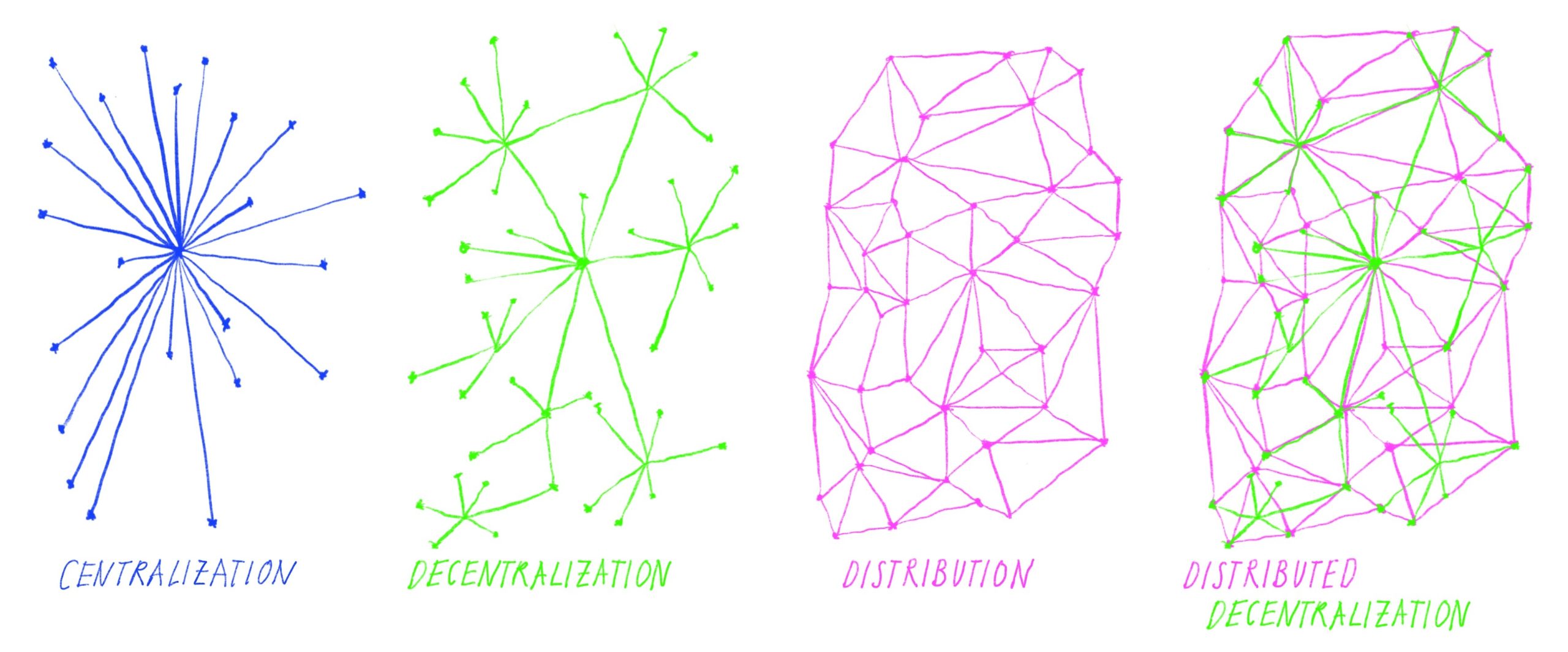
Modern manufacturing demands high-uptime power. Grid dependence creates single points of failure that are increasingly vulnerable to weather volatility and aging infrastructure. Integrating onsite renewable generation with battery energy storage systems (BESS) creates a closed-loop environment that insulates the enterprise from grid-level disruptions.
This is not merely about sustainability; it is about performance continuity. When you align your execution frameworks with localized energy production, you minimize the risk of forced shutdowns during peak load periods. Enterprises that adopt this modular infrastructure approach benefit from a localized energy market, allowing for real-time load shedding and optimization that traditional centralized utilities cannot match.
The Data-Driven Advantage
The integration of renewable energy sources demands superior data analytics. Artificial intelligence now plays a critical role in forecasting intermittent output and optimizing consumption cycles. By deploying AI-driven predictive models, leaders can harmonize facility demand with peak production times, turning energy management from a reactive expense into an active revenue-generating function.
Smart grids and IoT-enabled monitoring allow for precise visibility into electricity consumption patterns. Organizations that master these data streams gain a competitive advantage in decision-making, as they can arbitrage energy prices or monetize excess production back to the grid. This level of granularity is what separates stagnant firms from those capable of achieving significant operational leverage.
Redefining Organizational Risk
The cost of capital is increasingly tethered to ESG and climate-related risk profiles. Institutions and lenders now scrutinize energy sourcing as a proxy for management quality. Demonstrating a clear, actionable pathway toward energy self-sufficiency lowers the cost of borrowing and attracts long-term capital. For more insights on building resilient systems, visit The BossMind platform, where we analyze the intersection of technology and industrial growth.
Strategic leaders understand that renewable energy represents a fundamental shift in the global economy. By proactively integrating these technologies, companies solidify their position against future supply shocks while building the necessary infrastructure for next-generation manufacturing.




Leave a Reply